
Best Practices for Choosing the Right Smoke Detector Battery for Your Needs
The Importance of Smoke Detector Batteries
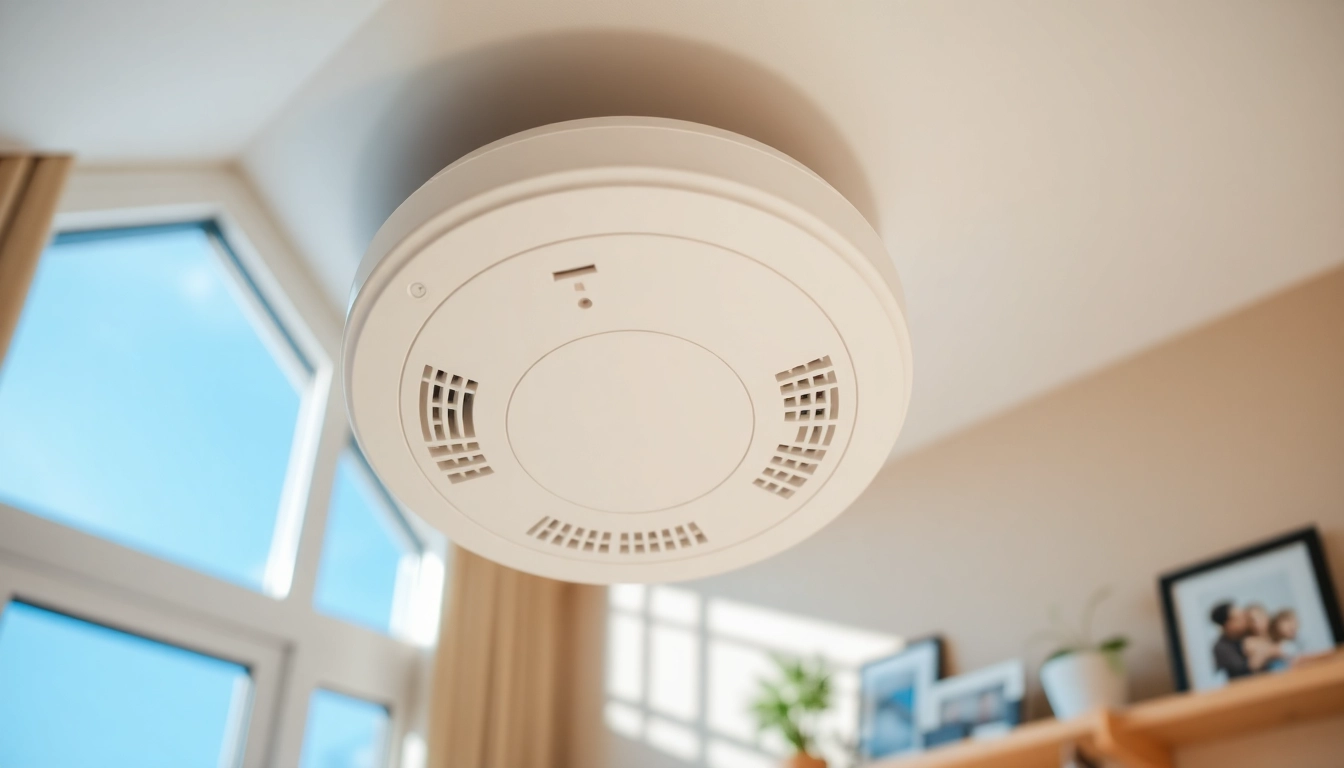
Smoke detectors are a fundamental component of home safety, functioning as the first line of defense against fire hazards. However, it’s crucial to understand that behind every effective smoke detector lies a reliable smoke detector battery. These batteries not only provide the necessary power for detection but also contribute to the overall efficiency and reliability of the smoke alarm system.
Understanding Smoke Detector Functionality
A smoke detector operates by sensing smoke particles either through ionization or photoelectric technology. Ionization detectors contain a small amount of radioactive material that ionizes air in the sensing chamber, while photoelectric detectors use a light beam to detect smoke interference. Regardless of the technology, a smoke detector’s functionality hinges on its power source—the battery. Without it, even the most advanced smoke detector is rendered useless. Understanding the functionality of these detectors highlights the necessity of a well-maintained battery.
Risks of Neglecting Battery Maintenance
Neglecting the maintenance of smoke detector batteries can have dire consequences. One of the most significant risks is the possibility of the alarm failing to activate during a fire, putting lives in jeopardy. Transitioning from periodic checks to a proactive maintenance routine ensures your smoke detectors are always prepared, significantly reducing risks. Statistics show that approximately 50% of smoke detectors fail to operate due to missing or dead batteries, a startling statistic that underscores the need for vigilance.
Common Myths about Smoke Detectors
Several misconceptions surround smoke detectors and their batteries. One prevalent myth is that smoke detectors are only necessary in sleeping areas; however, they should be installed on every level of a home. Another falsehood is that all smoke detectors have the same lifespan and battery requirements. Understanding these myths and the real facts about smoke detectors can significantly enhance household safety standards.
Types of Smoke Detector Batteries
Long-Life Lithium Batteries vs. Alkaline Batteries
When choosing a battery for your smoke detector, two main types dominate the market: long-life lithium batteries and alkaline batteries. Long-life lithium batteries are designed to last up to 10 years without needing replacement. These batteries can withstand extreme temperatures and provide reliable performance throughout their lifespan. Conversely, alkaline batteries require more frequent replacements—around every 6 to 12 months. While they tend to be more economical upfront, the ongoing cost and labor of replacing them can accumulate over time.
Benefits of Rechargeable Smoke Detector Batteries
Rechargeable smoke detector batteries offer numerous advantages. They not only reduce waste through fewer disposable batteries but also provide homeowners with an ongoing power source that can last years if properly maintained. The technology has improved significantly, with modern rechargeable batteries capable of maintaining a longer charge, thus offering reliability and peace of mind. However, it’s crucial to have a charging protocol in place to ensure these batteries remain effective.
Comparison of Battery Lifespans
When comparing battery lifespans, the differences are quite glaring. Alkaline batteries, despite being more readily available and less costly, typically have a lifespan of just 6 months to 1 year. In contrast, lithium batteries boast a lifespan ranging from 5 to 10 years, depending on usage and environmental factors. Regular assessments and timely replacements ensure optimal performance, with long-life lithium batteries often being the preferred choice for smoke detectors due to their convenience and durability.
How to Choose the Right Smoke Detector Battery
Assessing Power Requirements for Your Detectors
Every smoke detector has unique power requirements influenced by its model and technology. Understanding these requirements is the first step in selecting the appropriate battery. It’s essential to consult the manufacturer’s specifications for battery type and voltage. Most smoke detectors operate using either a 9V battery or a specific lithium battery, making it vital to choose accordingly to maintain operational efficiency.
Understanding Battery Ratings and Compatibility
Battery ratings and compatibility are integral to ensuring a smoke detector functions optimally. The voltage rating should match the detector’s requirement; using an incompatible battery can lead to inefficiency or potential damage. Compatibility also extends to physical dimensions; batteries should fit snugly in the compartment without forcing. Always check the smoke detector’s manual or marking to guarantee proper alignment when making your selection.
Recommendations from Industry Standards
Industry standards play a critical role in guiding consumers on the best battery choices for smoke detectors. Organizations such as the National Fire Protection Association (NFPA) and Underwriters Laboratories (UL) have set forth guidelines to ensure safety and effectiveness. These recommendations encompass battery type, maintenance schedules, and installation practices, serving as a helpful resource for homeowners striving to maintain safety within their residences.
Installation and Maintenance Tips
Step-by-Step Battery Installation Guide
Installing a new battery in your smoke detector can significantly enhance its functionality. Follow these steps for proper battery installation:
- First, ensure that the smoke detector is removed from its mounting bracket. Most models have a simple twist-lock mechanism.
- Next, locate the battery compartment. Depending on the detector type, this will either be on the back or a side panel.
- Carefully remove the old battery, noting the orientation for proper installation of the new one.
- Insert the new battery, making sure to align the positive (+) and negative (-) terminals correctly.
- Reattach the smoke detector to its bracket, ensuring it clicks securely in place.
- Finally, test the detector to confirm that it is functioning correctly.
How to Test Your Smoke Detector After Battery Replacement
Testing your smoke detector post-installation is critical. Press the test button, typically found on the front of the unit, and hold it down for a few seconds. A loud alarm sound should indicate that the device is operational. Moreover, it’s prudent to conduct this test at least once a month to ensure continued effective performance, alongside replacing the batteries as necessary.
Establishing a Regular Maintenance Schedule
A regular maintenance schedule is vital for maximizing the reliability of your smoke detector. Homeowners should commit to checking batteries every six months, in line with seasonal changes such as Daylight Saving Time. Additionally, complete unit tests should occur at least annually to ensure all components are functional. Implementing a tracking system, whether digital or handwritten, can help ensure adherence to this maintenance schedule.
Performance Monitoring and Upgrades
Utilizing Smart Detectors and Their Battery Needs
Smart smoke detectors are at the forefront of home safety technology, providing features such as smartphone notifications and connection alerts. These devices often come with built-in rechargeable batteries designed to last up to ten years. That said, certain smart detectors may require periodic app updates or manual tests to ensure consistent functionality. Always refer to the manufacturer specifications to understand your smart detector’s battery maintenance needs.
Recognizing Warning Signs of Battery Failure
Being aware of warning signs of battery failure is paramount in maintaining an efficient smoke detection system. A common indicator is the intermittent chirping of the detector, signaling low battery levels. Additionally, if the unit fails to sound during tests, it may suggest battery failure or other internal issues. A proactive approach, including regular checks and timely replacements, minimizes the risk of undetected battery failures.
Future Trends in Smoke Detector Battery Technology
Future advancements in smoke detector battery technology offer exciting prospects for improved safety. Innovations may include the integration of solar panels for recharging, enhancing battery lifespan and sustainability. Moreover, advancements in smart technology could lead to even more efficient detection methods and battery management systems. Staying abreast of these trends ensures homeowners leverage the best tools available for fire safety, ultimately protecting lives and property.