
Effective Strategies for Pet Odor Carpet Cleaning: Techniques and Tips
Understanding Pet Odor Carpet Cleaning
Living with pets can be a delightful experience, but it often comes with unique challenges, particularly regarding cleanliness and odor management. One of the common frustrations pet owners face is dealing with persistent pet odors in carpets. Accidents happen, and while you may love your furry companions, the scents they leave behind can be quite unpleasant. Therefore, understanding how to effectively manage these odors is essential. In this comprehensive guide, we will delve into the intricacies of pet odor carpet cleaning, its causes, the methods available, and the strategies to prevent future episodes.
What Causes Pet Odors in Carpets?
Pet odors in carpets primarily stem from biological waste: urine, feces, and even vomit. When pets have accidents, they not only stain the carpet fibers but also send their odors deep into the padding and subfloor. The main components contributing to these odors include:
- Urine: This is often the main culprit, especially if pets have not been house-trained. Cat urine, in particular, has a strong ammonia scent.
- Feces: Besides the obvious mess, feces can also seep into carpet threads, leading to lingering smells.
- Saliva and vomit: If your pet drools excessively or is prone to vomiting, these substances can also create odors.
Moreover, if not managed properly, bacteria thrive in these organic materials, exacerbating the smell. Recognizing the source is the first step in effective odor management.
How Pet Odor Affects Indoor Air Quality
Beyond just an unpleasant aroma, pet odors can significantly impact indoor air quality. Many pet-related odors stem from volatile organic compounds (VOCs) that can lead to respiratory issues and other health concerns. Poor air quality can lead to discomfort, allergies, and even long-term health risks for both pets and humans. Maintaining excellent indoor air quality is crucial for a healthy living space, making it essential to address pet odors promptly and effectively.
The Importance of Regular Cleaning
Regular cleaning is vital in keeping carpets fresh and odor-free. Routine maintenance can prevent the build-up of odors and stains, making clean-up easier when accidents occur. Establishing a cleaning schedule that includes vacuuming, spot treating, and deep cleaning can extend the life of your carpet and improve the overall ambiance of your home.
Techniques for Pet Odor Removal
Steam Cleaning vs. Shampooing
When it comes to addressing pet odors in carpets, two of the most popular techniques are steam cleaning and shampooing. Understanding the differences can help you make an informed choice:
- Steam Cleaning: This method uses hot water and often a cleaning solution to penetrate deep into carpet fibers, effectively breaking down pet urine crystals and bacteria. It can be very effective for deep cleaning and sanitizing carpets, making it a favored choice among professional cleaners.
- Shampooing: Carpet shampooers use a foamy detergent that is agitated into the carpet fibers. While this method can clean surfaces well, it may not address deeper odors as effectively as steam cleaning. Residues may linger, leading to further issues.
Both methods can be effective, but steam cleaning is generally more suitable for thorough pet odor removal.
Using Enzymatic Cleaners Effectively
Enzymatic cleaners are specially formulated products that use enzymes to break down organic materials, such as pet waste. To use them effectively, follow these steps:
- First, thoroughly clean the area to remove any solid waste.
- Apply the enzymatic cleaner generously, ensuring complete coverage of the stained area.
- Allow the product to sit for the recommended time; this is crucial for it to be effective.
- Finally, blot the area with a clean cloth and let it air dry.
Enzymatic cleaners work well on both fresh and old stains, making them a must-have for pet owners.
DIY Solutions for Urine Stains
If professional cleaning isn’t an immediate option, there are several DIY solutions you can employ:
- Baking Soda and Vinegar: Sprinkle baking soda on the affected area, spray with vinegar, and let it fizz. Blot after several minutes.
- Dish Soap and Water: Mix a small amount of dish soap with warm water and apply gently to the stain. Rinse with clean water, then blot dry.
- Hydrogen Peroxide: For older stains, hydrogen peroxide can be effective. Test on a small, inconspicuous area first, as it can lighten carpet colors.
Although these methods can offer immediate relief, they may not always eliminate the odor entirely, especially in cases of deep penetration.
Choosing the Right Cleaning Products
Eco-Friendly Options for Pet Owners
As a pet owner, opting for eco-friendly cleaning products can be beneficial not only for your pets but also for the environment. Look for biodegradable, non-toxic formulas that break down easily and don’t leave harmful residues. Products with natural ingredients like citrus oils, enzymatic cleaners, and plant-based detergents are great. They usually have lower VOCs and are less likely to irritate sensitive noses and skin.
Commercial Cleaners: Pros and Cons
While many commercial cleaners are designed to tackle pet odors, they come with their own sets of advantages and disadvantages:
- Pros: These products are often specifically formulated for pet stains, providing powerful cleaning action and eliminating odors effectively.
- Cons: Some may contain harsh chemicals, which can be harmful to pets and humans. Always check labels and opt for pet-safe alternatives.
Ultimately, choose products that align with your cleaning philosophy and the needs of your household.
Homemade Cleaning Solutions That Work
If you’re inclined towards homemade solutions, several mixtures can effectively clean carpets:
- Vinegar and Baking Soda: Excellent for neutralizing odors, this mixture acts powerfully against stains.
- Lemon Juice and Water: This natural disinfectant helps to freshen up carpets and tackle stains.
- Castile Soap: A gentle soap mixed with water works well for regular clean-ups without heavy residues.
Homemade solutions can be highly effective and save on cleaning costs while using ingredients often found in your pantry.
Preventing Future Odors
Training Your Pet to Minimize Accidents
Prevention is always better than cure. Training your pet effectively can significantly reduce accidents around the house. Utilize positive reinforcement methods to encourage them to eliminate outside or on designated potty areas. Consistency in training schedules and rewarding good behavior can make a substantial difference.
Best Practices for Carpet Maintenance
Maintaining your carpets regularly reduces the chances of odor accumulation:
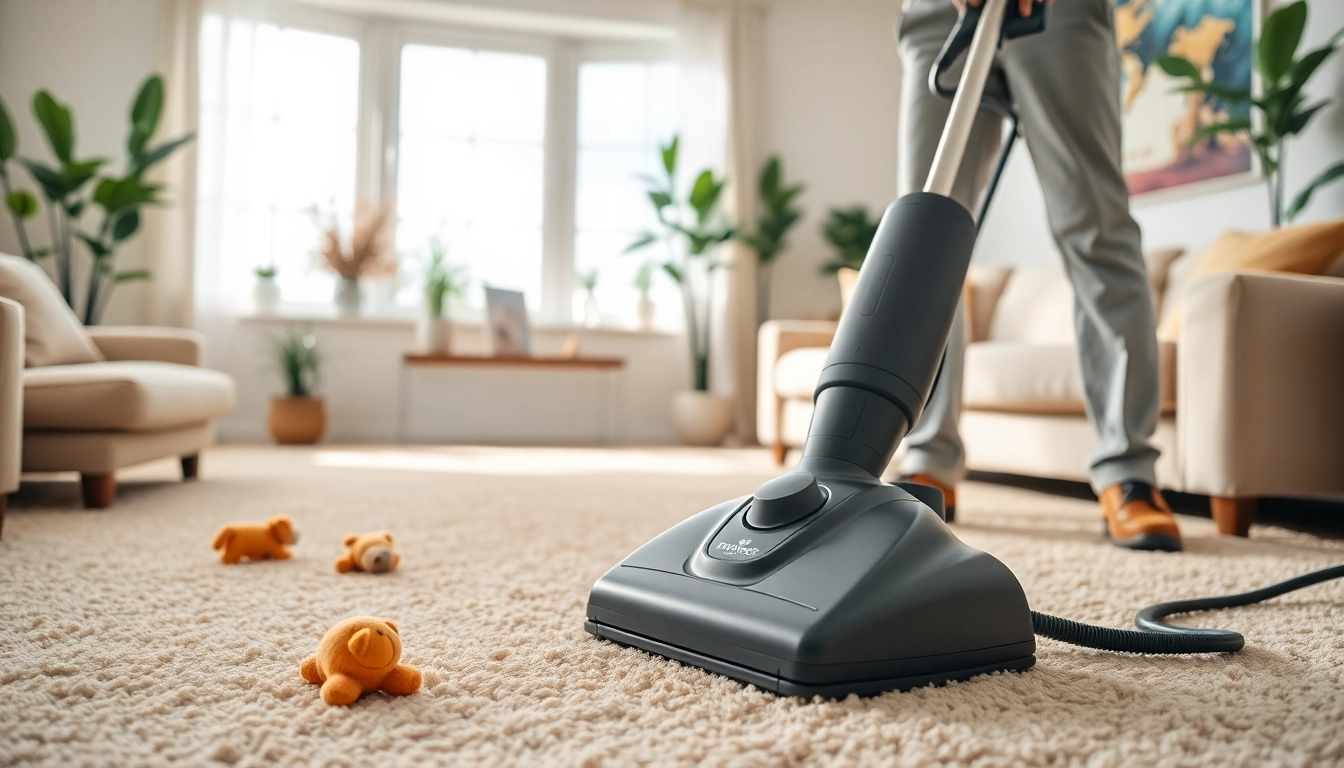
- Vacuum at least once or twice a week to pick up hair and dander, which can contribute to odors.
- Use a carpet cleaning powder or freshener periodically to keep carpets smelling clean.
- Deep clean your carpets at least once every 6-12 months, especially if you have multiple pets.
Good maintenance practices will prolong the life of your carpets and minimize the need for extensive cleaning.
When to Call a Professional Service
There are times when professional intervention is necessary. If you are dealing with persistent odors that resist all cleaning attempts, or if your carpets have significant staining, it’s advisable to call in a professional carpet cleaning service. Professionals can employ advanced techniques and equipment to ensure thorough cleaning and restoration of your carpets.
FAQs on Pet Odor Carpet Cleaning
How can I remove stubborn pet odors from carpets?
Use a combination of steam cleaning and enzymatic cleaners. Identify the source of the odor and treat it carefully with the right products.
Is steam cleaning the best method for pet odor removal?
Steam cleaning is highly effective for deep-cleaning carpets and eliminating odors as it penetrates fibers to remove stains and bacteria.
Can I use vinegar to clean pet odors from carpets?
Yes, vinegar can neutralize odors. Mix it with water and apply on stains; however, test first on a small area to prevent discoloration.
How often should I clean my carpets if I have pets?
Vacuum regularly and aim for a deep clean every 6-12 months. More frequent cleaning may be necessary if accidents occur often.
Are there any risks with using chemical cleaners on carpets?
Some chemical cleaners can cause health issues and damage carpets over time. Always choose pet-safe and environmentally friendly options.


