Choosing the Right Shower Screen Door for Your Bathroom Style
Understanding the Importance of a Shower Screen Door
When it comes to enhancing your bathroom’s functionality and aesthetic, a shower screen door plays a pivotal role. It not only prevents water from splashing outside the shower area but also adds value to the bathroom décor. Moreover, with a variety of styles and materials available, the right shower screen door can transform your space, making it both practical and stylish.
Benefits of Installing a Shower Screen Door
Installing a shower screen door offers numerous advantages:
- Water Containment: The primary function of a shower screen door is to prevent water from splashing onto other areas of the bathroom, which helps in maintaining a clean and dry environment.
- Aesthetic Appeal: A well-chosen shower screen door enhances the look of your bathroom, providing a modern touch to your decor.
- Easy Maintenance: Most shower screen doors are easier to clean than traditional shower curtains, helping you maintain a hygienic space.
- Space Optimization: Shower screens come in various designs, including bi-fold and sliding options, making them suitable for bathrooms of all sizes.
- Increased Resale Value: A stylish and functional shower screen door can make your home more appealing to potential buyers.
Common Types of Shower Screen Doors
There are several types of shower screen doors to choose from, each designed to suit different tastes and bathroom layouts:
- Framed Shower Doors: These are constructed with a metal frame around the glass. They are durable and available in various finishes.
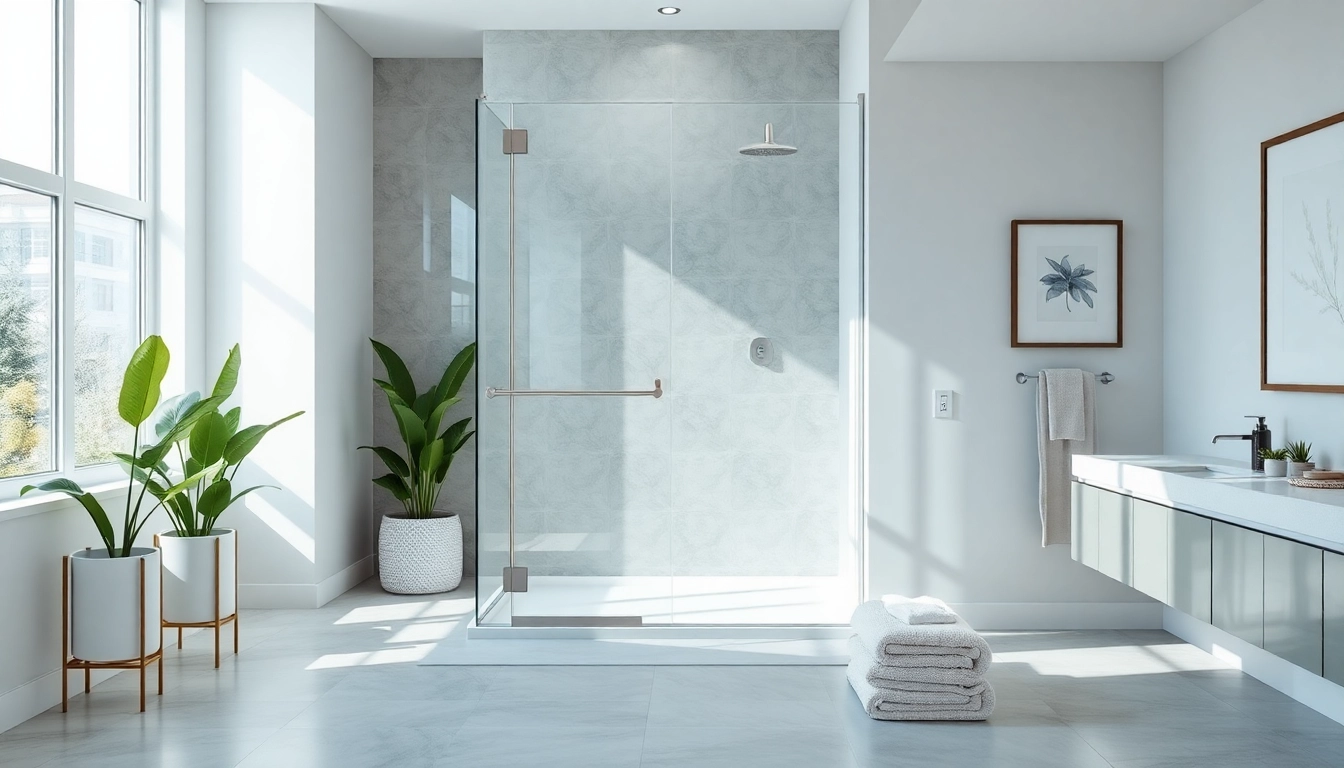
- Frameless Shower Doors: With no visible frame, these doors offer a sleek and contemporary look, making your bathroom appear more spacious.
- Bi-Fold Doors: Perfect for smaller spaces, bi-fold doors fold inwards, saving space when opened.
- Sliding Doors: Sliding doors are ideal for tight spaces, as they do not swing outwards and can be a stylish choice.
- Hinged Doors: These doors open outward on hinges and can create a grand entrance to your shower area.
How a Shower Screen Door Enhances Bathroom Aesthetics
A shower screen door serves as a focal point in your bathroom. It can complement existing fixtures and design elements or serve as a statement piece. The choice of glass type, metal finish, and door style all contribute to the overall aesthetic:
- Clear Glass: Provides an open and airy feel, making your bathroom look larger.
- Tinted Glass: Adds a layer of privacy while maintaining elegance.
- Textured Glass: Offers privacy without sacrificing natural light, creating a unique visual appeal.
- Colored Hardware: The choice of materials and colors in handles and hinges can enhance the overall theme of your bathroom.
Selecting the Best Material for Your Shower Screen Door
Choosing the right material for your shower screen door is crucial for durability, appearance, and ease of maintenance. Two of the most common materials are glass and acrylic, each with its pros and cons.
Glass vs. Acrylic Shower Screen Doors
Understanding the differences between glass and acrylic is essential for making an informed choice:
- Glass: Glass is the more popular choice for shower screens due to its elegant look and durable nature. Tempered glass is often used for its strength and safety. However, it requires regular cleaning to maintain clarity.
- Acrylic: Acrylic is lightweight and shatter-resistant, making it a great option for family bathrooms. While it can be less expensive, it is prone to scratches and can fade over time.
Durability Factors to Consider
When selecting a shower screen door, consider factors such as:
- Thickness: Thicker glass (around 10mm or more) is generally more durable and resistant to breakage.
- Finish: A protective coating can enhance durability by resisting water spots and stains.
- Environmental Impact: Look for materials that are sustainable and recyclable to minimize your environmental footprint.
Maintenance Tips for Your Shower Screen Door
To keep your shower screen door looking its best:
- Regular Cleaning: Use a mild cleaning solution on a soft cloth to wipe down the glass regularly to avoid soap scum build-up.
- Water Softener: Installing a water softener can reduce mineral deposits on your screen.
- Seals and Framework: Regularly check the seals and frames for damage or wear and replace them as necessary.
Design Trends in Shower Screen Doors
The design of your shower screen door can significantly impact your bathroom’s aesthetic. Keeping up with the latest trends can help ensure your bathroom remains modern and inviting.
Popular Styles and Finishes
Trends in shower screen doors include:
- Matte Finishes: A matte black finish is becoming increasingly popular for adding a touch of sophistication.
- Textured Glass: Adding character to your bathroom, textured patterns can stand out while providing privacy.
- Soft Curves: Rounded edges and soft curves are becoming more fashionable, moving away from sharp, angular designs.
Custom vs. Prefabricated Options
When selecting a shower screen door, you will come across custom and prefabricated options:
- Custom Doors: Tailored to fit your specific space and style, custom doors often allow for unique features like etched designs or specialized fittings.
- Prefabricated Doors: Ready-made options are usually more affordable and can be installed faster, making them a popular choice for budget-conscious homeowners.
How to Match Your Shower Screen Door with Your Bathroom
To successfully integrate your shower screen door into your bathroom design:
- Color Coordination: Match the frame and the color of the bathroom fixtures for a cohesive look.
- Complementary Styles: Choose a door style (e.g., frameless for modern or framed for traditional) that matches your overall design theme.
- Lighting Considerations: Ensure that your choice of glass will reflect or absorb light in a way that enhances your space.
Installation Process of Shower Screen Doors
Proper installation of your shower screen door is critical for ensuring its functionality and aesthetic appeal. Whether you choose to install it yourself or hire a professional, understanding the process is essential.
Preparing Your Bathroom for Installation
Before installation, it’s vital to assess your bathroom space:
- Measurement: Ensure accurate measurements of the shower space and door size to avoid future adjustments.
- Surface Preparation: Clean and prepare the area around the shower for proper sealing and adherence.
- Gather Tools: Essential tools such as a level, drill, seals, and screws should be on hand to avoid disruptions during installation.
DIY vs. Professional Installation
Deciding on DIY installation or hiring professionals depends on your skill level and comfort:
- DIY: For those with basic handyman skills, installing a shower screen door can be a rewarding project that saves money.
- Professional Installation: Hiring an expert ensures that the installation is done correctly, reducing the risk of leaks or structural issues.
Common Mistakes to Avoid During Installation
To achieve a successful installation:
- Incorrect Measurements: Double-check all measurements before cutting or installing components.
- Ignoring Leveling: Failing to make sure the door is level can result in improper closing and water leakage.
- Using Inadequate Sealant: Ensure you apply enough sealant for a watertight fit.
FAQs about Shower Screen Doors
What is the average cost of a shower screen door?
The average cost can range from $200 to $1,500, depending on the material, design, and size, with installation costs additional.
Are shower screen doors suitable for small bathrooms?
Yes, there are many space-saving designs like bi-fold or sliding doors that can work well in smaller bathrooms.
How can I clean my shower screen door effectively?
Use a mixture of vinegar and water or a dedicated glass cleaner along with a microfiber cloth to ensure a streak-free finish.
What is the difference between framed and frameless shower screen doors?
Framed doors have a visible frame around the glass, while frameless doors have no hardware visible, offering a sleek modern look.
Can shower screen doors help with moisture control?
Yes, they help contain water within the shower area, reducing moisture buildup and contributing to a cleaner, dryer bathroom.