Essential Guide to Choosing the Right Microwave Oven for Your Kitchen
Understanding the Microwave Oven: An Overview
The microwave oven has become a staple appliance in modern kitchens, serving not only as a tool for reheating leftovers but also as a versatile cooking device. This article explores the intricacies of microwave ovens, covering their functions, types, essential features, usage tips, and much more, ensuring you make informed decisions when selecting the right microwave oven for your needs.
What is a Microwave Oven?
A microwave oven is an electric appliance that uses electromagnetic radiation in the microwave frequency range to heat and cook food. By exciting water molecules present in the food, it generates steam and heat, which leads to cooking and reheating. Unlike traditional ovens that require longer cooking times, microwave ovens offer speed and efficiency, making them a vital tool for quick meal preparations.
The Science Behind Microwave Ovens
The core technology behind microwave ovens relies on microwave radiation to cook food. This radiation, emitted by a component known as a magnetron, excites water molecules within food items, causing friction which generates heat. The ability to cook food quickly while preserving its moisture content is one of the reasons microwave ovens have gained popularity over the years.
History and Evolution of Microwave Technology
The invention of the microwave oven can be traced back to World War II when radar technology was developed. Percy Spencer, a radar engineer, accidentally discovered that microwave radiation could cook food. The first commercial microwave oven, known as the Radarange, was introduced in 1947, and since then, microwave technology has evolved significantly. Today’s microwave ovens come equipped with various features and advanced technology, catering to a diverse range of cooking needs.
Types of Microwave Ovens to Consider
When choosing a microwave oven, understanding the types available can guide your purchase. Each type comes with unique features catering to specific needs, ensuring both functionality and convenience in the kitchen.
Countertop Microwave Oven Features
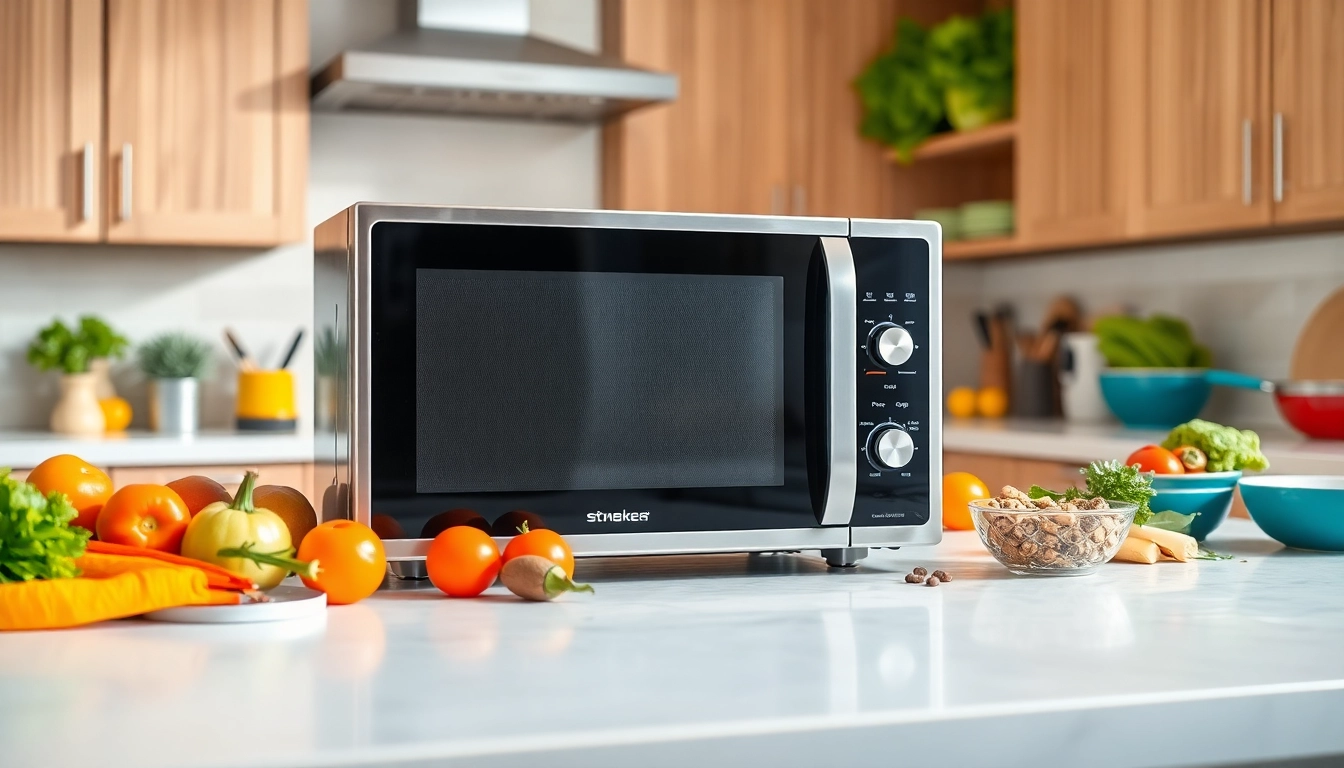
Countertop microwave ovens are the most common type found in kitchens. They are portable and versatile, requiring minimal installation. Key features often include:
- Compact Design: Space-efficient, making them ideal for small kitchens or dorms.
- Multiple Power Levels: Options for controlling heat intensity for diverse cooking tasks.
- Cooking Presets: Easy selection of specific food types for tailored cooking.
Over-the-Range Microwave Oven Benefits
Over-the-range microwave ovens combine convenience with space-saving design. They are mounted above the stove, serving dual purposes. Key benefits include:
- Space Saving: Frees up countertop space by utilizing overhead areas.
- Baked-In Range Hood: Often includes ventilation systems to eliminate cooking odors.
- Integrated Design: Aesthetic appeal, blending seamlessly with kitchen cabinetry.
Built-In Microwave Ovens: Space-Saving Solutions
Built-in microwave ovens provide a modern and custom approach to kitchen design. Installed within cabinetry, their advantages include:
- Seamless Integration: Offers a polished look, integrating with the overall kitchen aesthetics.
- Enhanced Capabilities: Often paired with convection features for versatile cooking options.
- Safety Features: Installs at eye level, reducing bending or reaching for food.
Key Features to Look For in a Microwave Oven
When selecting a microwave oven, considering the features that best suit your cooking habits is essential. Here’s a breakdown of key factors to consider.
Power Level and Cooking Capacity
The power level of a microwave oven, usually measured in watts, plays a critical role in determining cooking efficiency. Typical household microwave ovens range from 600 to 1200 watts. Higher wattage allows for faster cooking and efficient reheating, while lower wattage is sufficient for basic tasks. Furthermore, understanding the capacity, measured in cubic feet, will help match the oven to your cooking requirements.
Smart Features and Convenience Options
Many modern microwave ovens come equipped with smart technology and convenience options, enhancing their usability. Features to consider include:
- Sensor Cooking: Automatically adjusts cooking time and power based on food moisture levels.
- Wi-Fi Connectivity: Allows remote control and monitoring via smartphone apps.
- Voice Control: Compatible with smart home systems for hands-free operation.
Design and Usability Considerations
A microwave oven’s design influences its functionality and integration into your kitchen. Consider factors such as:
- Interior Material: Stainless steel interiors are more durable and easier to clean.
- Control Panel Layout: Intuitive controls improve usability, especially when multitasking.
- Lighting: Interior lighting enhances visibility when monitoring cooking progress.
Using Your Microwave Oven Effectively
Maximizing the potential of your microwave oven involves understanding various cooking techniques, maintenance, and safety tips.
Cooking Techniques and Tips
To effectively use your microwave oven, familiarize yourself with the following techniques:
- Covering Food: Use microwave-safe covers to promote even cooking and prevent splatters.
- Stirring and Rotating: Regularly stir food or rotate dishes to ensure even heating.
- Using Appropriate Dishes: Always opt for microwave-safe cookware to avoid hazardous reactions.
Cleaning and Maintenance Best Practices
Regular cleaning and maintenance will prolong the life of your microwave oven. Here are some best practices:
- Wipe Down After Use: Regularly clean spills to prevent hard-to-remove stains.
- Use Vinegar and Water: Microwave a mixture of vinegar and water to help loosen grime.
- Check for Damage: Periodically inspect the door seal and the interior for wear or damage.
Common Safety Tips for Microwave Usage
Safety should always be a priority when using your microwave oven. Here’s how to ensure safe operation:
- Avoid Metal: Do not use metal cookware as it can cause sparks and fires.
- Be Cautious with Steam: Use proper tools when removing hot items to avoid burns.
- Follow Guidelines: Always adhere to cooking times and power levels specified in recipes or food packaging.
Comparing Microwave Oven Brands and Models
Understanding the landscape of microwave ovens involves comparing various models and brands to find the perfect fit for your culinary needs.
Top Brands in the Market
While this article does not mention specific companies, many brands offer an array of features across different price ranges. Conducting thorough reviews and comparisons can guide your selection process.
Price Ranges and Budgeting for a Microwave Oven
Microwave ovens vary in price based on their features, capacity, and brand. Budget-friendly options are available for basic tasks, while premium models come with advanced technology and additional features. Determine your needs and budget to find the ideal microwave oven.
Warranty and Customer Support Advantages
Before purchasing a microwave oven, consider the warranty and customer service aspects. A good warranty can offer peace of mind, while responsive customer support can assist with installation and troubleshooting, ensuring a smoother experience.
Frequently Asked Questions
What should I look for when buying a microwave oven?
Consider the type (countertop or built-in), power level, capacity, and features such as presets and smart functions that fit your cooking needs.
How do I clean my microwave oven?
Use a damp cloth or sponge with mild cleaner to wipe the interior. For stubborn stains, heat water mixed with vinegar to help loosen grime.
Can I put metal in my microwave oven?
No, metal can cause sparks and potentially start a fire. Always use microwave-safe dishes and containers.
What is the best power level for a microwave oven?
A microwave oven with around 1000 watts is versatile, allowing for efficient cooking and reheating of various foods.
How long should a microwave oven last?
With proper maintenance, a microwave oven can last approximately 9 to 10 years. Regular cleaning and careful usage can extend its lifespan.