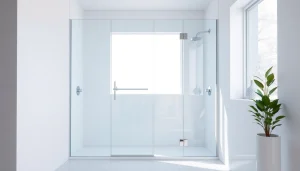
Understanding Sliding Shower Door Options
Types of Sliding Shower Doors
Sliding shower doors are a popular choice among homeowners due to their space-saving qualities and modern aesthetic appeal. They typically come in several designs, with each having unique features and benefits. The most common types include:
- Framed Sliding Shower Doors: These doors have a metal frame surrounding the glass, providing rigidity and support. They are often seen as more traditional but may be less visually appealing due to the frame.
- Semi-Frameless Sliding Shower Doors: Offering a contemporary look, these doors feature minimal framing around the edges. This design provides a cleaner, more open visual effect while still maintaining structural integrity.
- Frameless Sliding Shower Doors: As the name suggests, these doors have no metal frame, making the glass the focal point. They are considered premium options and are prized for their elegant appearance and modern feel.
- Bypass Shower Doors: This is a configuration where one door slides in front of the other. Bypass doors are ideal for larger shower spaces, allowing for easy access from multiple sides.
- Bi-Fold Shower Doors: While technically not sliding, bi-fold doors can maximize space by folding upon themselves. They are especially useful for smaller bathrooms.
Materials Used in Sliding Shower Doors
The material used in constructing sliding shower doors can significantly affect durability, appearance, and maintenance. Common materials include:
- Glass: Clear or frosted glass is frequently used for its elegant appearance. Tempered glass is a safety upgrade, offering increased resistance to breakage.
- Metal: Usually found in the framework, metals like stainless steel and aluminum are favored for their strength and corrosion resistance.
- Plastic: Some budget options may use acrylic or vinyl, but these are less durable than glass and may not provide the same aesthetic appeal.
Choosing the Right Style for Your Bathroom
When selecting a sliding shower door, it’s crucial to consider both functionality and aesthetics. Be mindful of the bathroom’s overall design, existing fixtures, and color palette. A well-matched sliding shower door can serve as a stunning focal point or can seamlessly integrate with your existing decor. Key points to consider include:
- Bathroom size and layout: Ensure the door style complements the space available.
- Glass thickness: Thicker glass usually signifies better quality and durability.
- Hardware finish: Choose finishes that harmonize with other fixtures, such as faucets and towel bars.
Benefits of Installing a Sliding Shower Door
Space Saving Features of Sliding Shower Door
One of the most significant advantages of sliding shower doors is their space-saving design. Unlike traditional swing doors that require ample room to open, sliding doors glide along a track, conserving valuable space. This is particularly beneficial for smaller bathrooms, where maximizing usability and comfort is essential. Additionally, the absence of a swinging arc prevents the risk of door collisions with other fixtures.
Ease of Access and Maintenance
Sliding shower doors offer convenient access thanks to their design. Users can easily slide the door open and closed without the need for additional space. Cleaning these doors can be straightforward too, particularly for framed models, but may require some attention to the track area to prevent build-up of soap scum or debris. Utilizing cleaning solutions designed for glass can help maintain clarity and shine.
Aesthetic Enhancement for Bathrooms
Sliding shower doors are not just functional; they also enhance a bathroom’s aesthetic appeal. With a range of styles, finishes, and glass treatments available, homeowners can choose options that elevate their bathroom’s look. Frameless designs, in particular, offer a sleek modern appearance, making the space feel open and airy. Additionally, the reflective nature of glass can help brighten up the room and create an illusion of depth.
Installation Process of Sliding Shower Doors
Measuring Your Bathroom Space
Before purchasing a sliding shower door, accurate measurements of your shower space are crucial. Measure the width of the shower opening and the height from the floor to the top of the shower frame. Be sure to consider any obstructions such as faucets and shelving that could impact door operation. Even slight measurement errors can lead to installation complications.
Essential Tools Required for Installation
Installing a sliding shower door requires the right tools for a successful DIY project. Essential tools include:
- Measuring tape for precise measurements
- Drill for securing brackets and tracks
- Screwdriver for tightening screws
- Level to ensure proper alignment
- Caulk gun and silicone caulk for sealing gaps
Step-by-Step Installation Guide
Once measurements and tools are in place, follow these general steps for installation:
- Mark the track placement on the wall, ensuring it is level.
- Drill holes in the wall to install the track brackets.
- Attach the track securely to the wall using screws.
- Slide the rollers onto the glass doors.
- Hang the glass door by attaching the rollers to the track.
- Install any necessary seals or handles according to the manufacturer’s instructions.
- Apply caulk along the edges for watertightness.
Cost Considerations for Sliding Shower Doors
Budgeting for Different Materials
The cost of sliding shower doors can vary widely based on the materials used, style, and brand. Generally, framed models are less expensive compared to semi-frameless or frameless options. Budgeting should include not just the cost of the door but potential additional materials such as tracks, wall anchors, and caulking. Anticipate costs that can range from $700 to $2000, depending on your selections.
Installation Costs vs. DIY Options
While opting for professional installation can ensure the job is done correctly, this will also add to the overall cost. Hiring a professional can range from $200 to $500, depending on the complexity of the installation. On the other hand, a DIY installation can save money but requires a careful approach and following of guidelines. Evaluate your skills and comfort level before deciding.
Long-term Value and Maintenance Costs
Sliding shower doors can enhance the resale value of your home, making them a wise investment. They also require minimal maintenance compared to other shower enclosures, though upkeep should include regular cleaning routines. Factor these aspects into your long-term considerations when investing in a sliding shower door.
Frequently Asked Questions
How do I maintain a sliding shower door?
Regularly clean the tracks and glass with gentle cleaning solutions to prevent soap scum and hard water stains. Wipe down after each use for best results.
Can I install a sliding shower door by myself?
Yes, with proper tools and careful measurements, a DIY installation is feasible. Follow installation guides carefully for optimal results.
What size sliding shower door do I need?
Measure your shower opening accurately. Standard widths typically range from 48 to 60 inches, depending on your specific shower dimensions.
Are sliding shower doors energy-efficient?
Sliding doors can help retain heat better than curtains, enhancing energy efficiency while minimizing drafts and maintaining warmth.
What maintenance is required for a sliding shower door?
Check rollers and tracks regularly for dirt. Clean with appropriate solutions and lubricate if necessary to ensure smooth operation.