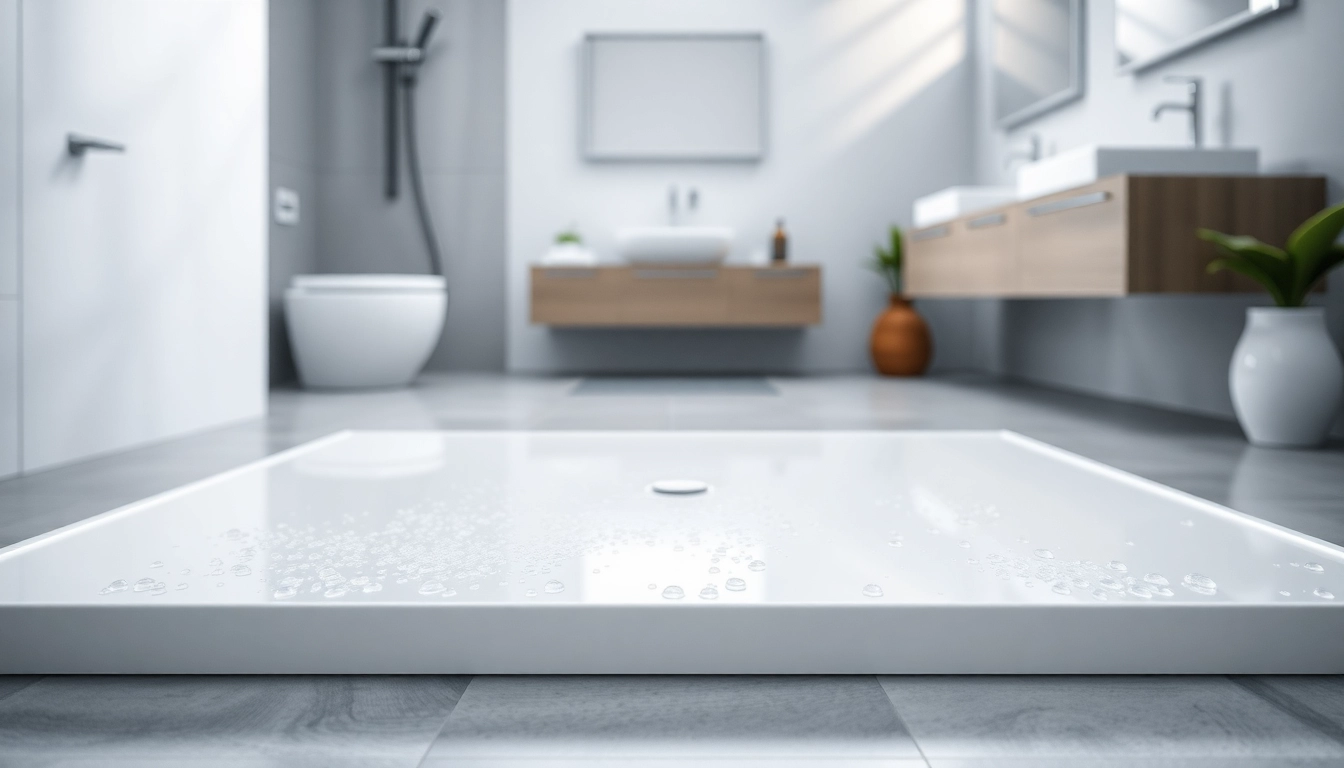
Understanding the Importance of a Quality Shower Base
A well-chosen shower base serves as the foundation of your bathroom’s functionality and aesthetic. A quality shower base not only provides durability against daily wear and tear but also contributes significantly to the overall look and feel of your shower environment. It is essential to understand the various elements that make up a great shower base to ensure you make the right decision when selecting one for your space.
What Makes a Great Shower Base?
A great shower base combines functionality, durability, and style. key attributes of an excellent shower base include:
- Material Quality: High-quality materials such as acrylic, fiberglass, or ceramic provide strength and longevity.
- Slip Resistance: A non-slip surface is critical for safety, especially in family or elderly households.
- Water Drainage: Efficient drainage to prevent standing water is vital to avoid mold and damage.
- Design Flexibility: Options that provide both standard and custom sizes to fit any space.
Benefits of High-Quality Materials
Investing in a high-quality shower base translates to numerous benefits. Premium materials resist scratches and stains better than lower-quality options. Additionally, they can improve thermal insulation, resulting in a more comfortable shower experience. A durable shower base minimizes the need for frequent replacements or repairs, making it a cost-effective choice in the long run.
Shower Base Installation Overview
Proper installation is critical for the performance of your shower base. It typically involves:
- Checking the floor for levelness.
- Laying down a bed of mortar for stability.
- Carefully positioning the shower base and securing it in place.
- Ensuring connection to the drainage system is tight and leak-proof.
For best results, consider hiring a professional for installation.
Types of Shower Bases Available
Fiberglass Shower Base Options
Fiberglass shower bases are known for their lightweight and cost-effectiveness. They come in various sizes and styles, making them a popular choice for many homeowners. However, they are more prone to scratches and can discolor over time. Maintenance is relatively straightforward but requires regular cleaning to maintain its aesthetic appeal.
Acrylic vs. Ceramic Shower Base
Acrylic shower bases are another durable option, known for their ease of repair and maintenance. They are less prone to cracking compared to fiberglass but can be more expensive. In contrast, ceramic shower bases boast a classic appeal and are extremely durable, resisting wear effectively. However, they can be heavier and more challenging to install, requiring adequate flooring support.
Custom versus Standard Shower Bases
Choosing between a custom and a standard shower base largely depends on your bathroom layout and personal preferences. Custom bases are perfect for unique designs and specific sizing needs, although they tend to come with a higher price tag and longer lead times. Standard bases are ideal for traditional layouts and offer cost efficiency, but options may be limited in terms of size and style.
How to Choose the Right Shower Base for Your Bathroom
Assessing Bathroom Layouts and Measurements
Before selecting a shower base, carefully measure your bathroom to ensure a proper fit. Pay attention to the layout, including the location of plumbing and drains. This will help you decide on the size and shape of the base you need, ensuring an efficient installation process.
Style and Aesthetic Matching
Consider the overall design of your bathroom when selecting a shower base. Whether your style is modern, traditional, or minimalist, the shower base should complement the décor. For example, a sleek acrylic base works well in contemporary settings, while a classic ceramic base may fit better into a more traditional design.
Budget Considerations
Your budget will significantly influence your choice of shower base. Remember to consider not just the initial purchase price, but also installation costs and potential long-term maintenance expenses. Investing in a higher-quality shower base can provide cost savings over time by reducing the need for repairs and replacements.
Troubleshooting Common Shower Base Issues
Dealing with Cracks and Chips
Cracks and chips in your shower base can develop over time, often due to impacts or stress. Repairing them promptly can prevent further damage. Consider using repair kits specifically designed for the material of your shower base, ensuring a seamless finish that matches the existing surface.
Preventing Mold and Mildew
To keep your shower base clean and mold-free, ensure proper ventilation in the bathroom. Regular cleaning with a mild detergent can help prevent mold growth. You may also consider the use of a sealing agent to create a barrier against moisture that promotes mold and mildew.
Fixing Drainage Problems
If you notice slow drainage in your shower base, it could be due to a clogged drain or improper installation. Regular maintenance, such as removing debris and cleaning the drain, is essential. In case of persistent issues, consulting a professional may be necessary to address installation inaccuracies.
Maintenance Tips for Longevity of Your Shower Base
Effective Cleaning Techniques
Maintaining your shower base is crucial for its longevity. Use non-abrasive cleaners that are safe for the material of your base. Regularly clean the surface to prevent buildup of soap scum, grime, and mold, which can degrade materials over time.
Regular Inspections and Repairs
Schedule regular inspections of your shower base for cracks, chips, or other signs of damage. Early detection can make repairs easier and more affordable. If you notice any issues, address them immediately to extend the life of your shower base.
Enhancing Durability with Coatings
Consider applying protective coatings designed for shower bases. These treatments can enhance durability, making surfaces resistant to scratches, stains, and moisture. A professional can offer guidance on the best products suited for your shower base material.
FAQs
1. How can I tell if a shower base is high quality?
Look for durable materials, a non-slip surface, and a strong warranty. Reading reviews can also give insights into customer satisfaction.
2. What type of shower base is best for small bathrooms?
A compact acrylic or fiberglass shower base is typically best for small bathrooms, as they are lightweight and available in space-efficient designs.
3. How do I clean my shower base effectively?
Use a non-abrasive cleaner and soft cloth. Regularly clean surfaces with mild detergent to prevent soap scum and mildew buildup.
4. Can I install a shower base myself?
While a DIY installation is possible, hiring a professional ensures proper fitting and drainage, preventing potential future issues.
5. How often should I inspect my shower base?
Inspect your shower base at least once a year for cracks, chips, or drainage issues to catch problems early and extend its lifespan.