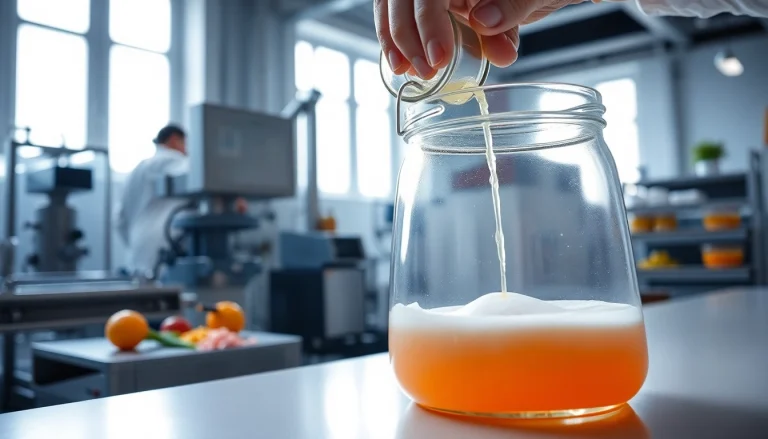
Introduction to Bulk Sweetener
In recent years, the focus on health and diet has led to a growing interest in alternatives to traditional sugar. Among these alternatives, the concept of bulk sweetener has emerged as a prominent choice for consumers and food manufacturers alike. Bulk sweeteners, unlike conventional sugars, serve a dual purpose. They provide sweetness while contributing to the bulk and texture of food products, making them essential in a variety of culinary applications. This article explores the fundamentals of bulk sweeteners, their benefits, applications in food, and guidance on choosing the right type for your needs.
What is Bulk Sweetener?
Bulk sweeteners are sugar alternatives that contain fewer calories than sugar, and they often have a similar sweetness profile. These sweeteners are generally categorized under polyols or sugar alcohols, which include ingredients like erythritol, xylitol, maltitol, and isomalt. What sets bulk sweeteners apart is their ability to mimic the texture and volume of sugar in recipes, making them popular in both home cooking and commercial food production.
Comparison with Intense Sweeteners
Understanding the difference between bulk sweeteners and intense sweeteners is essential when selecting a sugar alternative. Intense sweeteners, such as aspartame, sucralose, and saccharin, are significantly sweeter than sugar, often requiring only a tiny amount to achieve the desired sweetness. They lack the bulk and mouthfeel that traditional sugar provides, which can be a disadvantage in multi-purpose culinary applications. While intense sweeteners are often used for calorie reduction in beverages and snacks, bulk sweeteners are more suited for products that require volume and texture, like baked goods.
Common Types of Bulk Sweetener
There are several common types of bulk sweeteners, each with unique properties:
- Erythritol: A sugar alcohol that is approximately 70% as sweet as sucrose, erythritol is well-tolerated in the digestive system and has nearly zero calories. It’s often used in low-carb and ketogenic diets.
- Xylitol: Known for its dental benefits, xylitol can replace sugar in many recipes and is commonly found in sugar-free gums and candies.
- Maltitol: Often used in sugar-free chocolate, maltitol provides sweetness with about half the calories of sugar but may cause digestive issues for some.
- Isomalt: Preferred for hard candies and baked goods, isomalt is a versatile sugar substitute that doesn’t affect blood sugar levels significantly.
Benefits of Using Bulk Sweetener
Health Considerations
One of the primary reasons consumers choose bulk sweeteners is for health considerations. These sweeteners typically have a lower glycemic index compared to sugar, making them more suitable for individuals with diabetes or those monitoring their blood sugar levels. Furthermore, many bulk sweeteners can assist in weight management by reducing caloric intake without sacrificing sweetness.
Environmental Impact
Many bulk sweeteners come from sustainable sources and can be produced with a lower carbon footprint than traditional sugars. As consumers become more environmentally conscious, opting for plant-based sweeteners, such as stevia and monk fruit, can contribute to greener food production practices.
Culinary Advantages
In culinary applications, bulk sweeteners provide more than just sweetness. They add volume, texture, and moisture to recipes, which is particularly beneficial in baking. For instance, when making cakes or muffins, the right bulk sweetener can retain moisture and achieve the desirable crumb structure characteristic of traditional baked goods.
Applications of Bulk Sweetener in Foods
Baking with Bulk Sweetener
When baking, bulk sweeteners can be used as substitutes for sugar in a one-to-one ratio in some cases, but adjustments may be necessary to achieve the desired results. For example, erythritol can substitute sugar directly, but when using xylitol or maltitol, bakers might need to slightly modify other ingredients (like increasing liquid) to maintain texture and moisture. Understanding each sweetener’s unique properties can help bakers develop delicious, lower-calorie versions of their favorites.
Use in Beverages
Bulk sweeteners are widely used in beverages, especially in sugar-free or diet drinks. They can balance flavors effectively, providing sweetness without the calories associated with sugar. For instance, erythritol’s cooling effect can enhance the overall perception of refreshness in drinks, making it a desirable ingredient for fizzy and still beverages alike.
Incorporating into Sauces and Dressings
Creating delicious dressings and sauces is another area where bulk sweeteners shine. They can add sweetness to balance acidity and bitterness without elevating calorie counts. Recipes that involve barbecue sauces, dressings, or marinades can benefit from these sweeteners, as they blend well with vinegars and oils, achieving the desired flavor profile without compromising health objectives.
Choosing the Right Bulk Sweetener
Factors to Consider
When selecting a bulk sweetener, consider factors such as sweetness level, caloric content, and the specific applications for which you intend to use them. Regulatory approvals and dietary restrictions also play a vital role in the decision-making process. Additionally, taste and potential digestive effects should inform consumer choices, as some sweeteners may cause laxative effects when consumed in excess.
Personal Preferences and Dietary Needs
Individual preferences, such as taste and texture, can significantly influence the choice of sweetener. For instance, those on a keto diet may favor erythritol due to its almost zero-calorie count, while someone focusing on dental health might prefer xylitol. Consumers should align their selections with their dietary needs, whether for weight loss, diabetes management, or simply personal taste preferences.
Cost Considerations
Bulk sweeteners can vary widely in price. Although some may be more expensive than traditional sugar, the overall cost-effectiveness must also consider the smaller quantities needed for the same level of sweetness. Comparing prices per serving or per ounce can help individuals and manufacturers make informed decisions that align their budgets with their culinary requirements.
Frequently Asked Questions
What is a bulk sweetener?
Bulk sweeteners, also known as sugar alcohols, provide a sweet flavor and volume in food products with fewer calories than sugar. Common examples include erythritol and isomalt.
How do bulk sweeteners compare to sugar?
Bulk sweeteners offer sweetness with fewer calories and a lower glycemic index, making them suitable for weight management and diabetic diets compared to regular sugar.
Can bulk sweeteners be used in baking?
Yes, many bulk sweeteners can be substituted for sugar in recipes, but adjustments may be needed for proper texture and flavor to achieve the desired outcome.
Are bulk sweeteners safe for everyone?
Most bulk sweeteners are safe, but some people may experience digestive discomfort when consuming certain types in large amounts; moderation is recommended.
Where can I buy bulk sweeteners?
Bulk sweeteners are widely available in health food stores, online shops, and major supermarkets, often located in the baking or health foods section.