Introduction to the Uyghurs Community
The Uyghurs Community is one of the most distinct ethnic groups in the world, primarily inhabiting the Xinjiang Uyghur Autonomous Region in northwest China. With a rich tapestry woven from millennia of history, culture, and tradition, the Uyghurs have a unique identity that is increasingly under threat due to various socio-political challenges. This article delves deep into the Uyghurs Community, exploring their historical background, cultural significance, current issues, and the resilience they show in the face of adversity.
Historical Context of the Uyghurs
The origins of the Uyghurs date back to the 5th century when they were known to have migrated from the Altai Mountains to the region we now refer to as Xinjiang. Throughout history, the Uyghurs have been influenced by various empires, including the Mongols, Turks, and the Qing dynasty, each leaving a significant imprint on the cultural and social development of the community. The establishment of the Uyghur Khaganate in the 8th century marked a pivotal moment in their history, solidifying their presence in Central Asia and laying the groundwork for a distinct cultural identity.
Cultural Significance and Identity
The Uyghurs have a rich cultural heritage that encompasses unique traditions, language, music, and artistic expressions. The Uyghur language, part of the Turkic language family, is a vital marker of their identity. Traditional Uyghur music, characterized by the use of instruments like the dutar and rawap, expresses deep emotions and stories passed down through generations. Additionally, the Uyghurs are known for their vibrant dances and storytelling traditions that celebrate their history, Islam, and social customs.
Overview of Current Issues
In recent years, the Uyghurs have faced significant challenges, primarily from the Chinese government, which has been accused of human rights violations against the community. Reports indicate mass detentions in what the government terms "vocational training centers," widespread surveillance, and efforts to suppress Uyghur culture and identity. These issues have drawn international attention and condemnation, leading to calls for action to protect Uyghur rights and heritage.
Cultural Traditions of the Uyghurs Community
Traditional Clothing and Attire
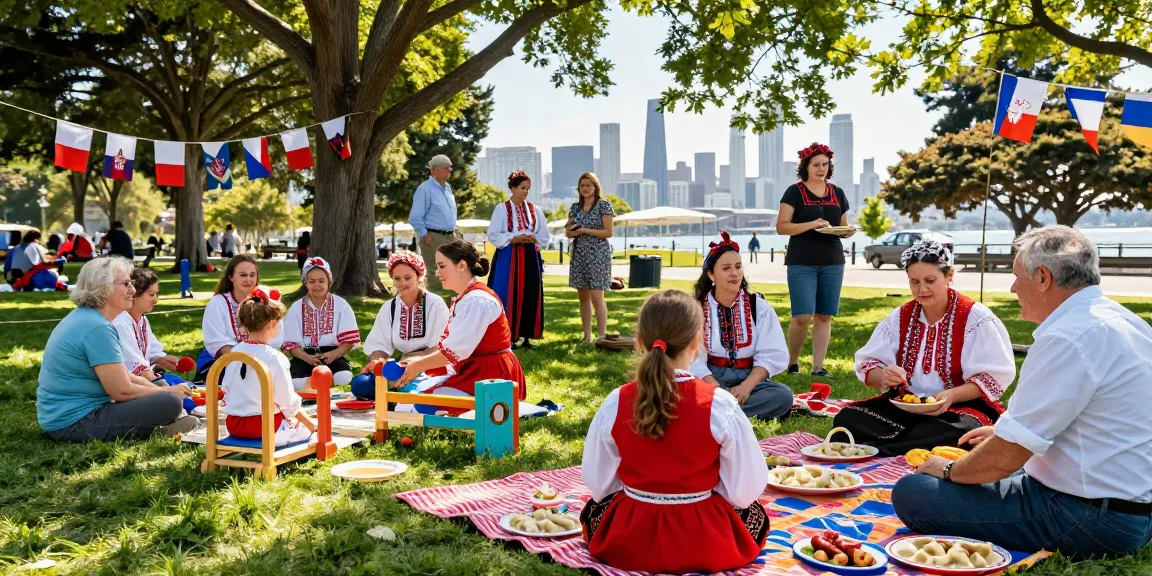
Traditional Uyghur clothing is both colorful and symbolic, reflecting their rich cultural heritage. Men typically wear a 'doppa,' a traditional hat, while women often don vibrant dresses adorned with intricate embroidery. The clothing varies by region and is often worn during cultural festivals, reflecting the community’s connection to their roots and identity.
Culinary Heritage and Traditional Dishes
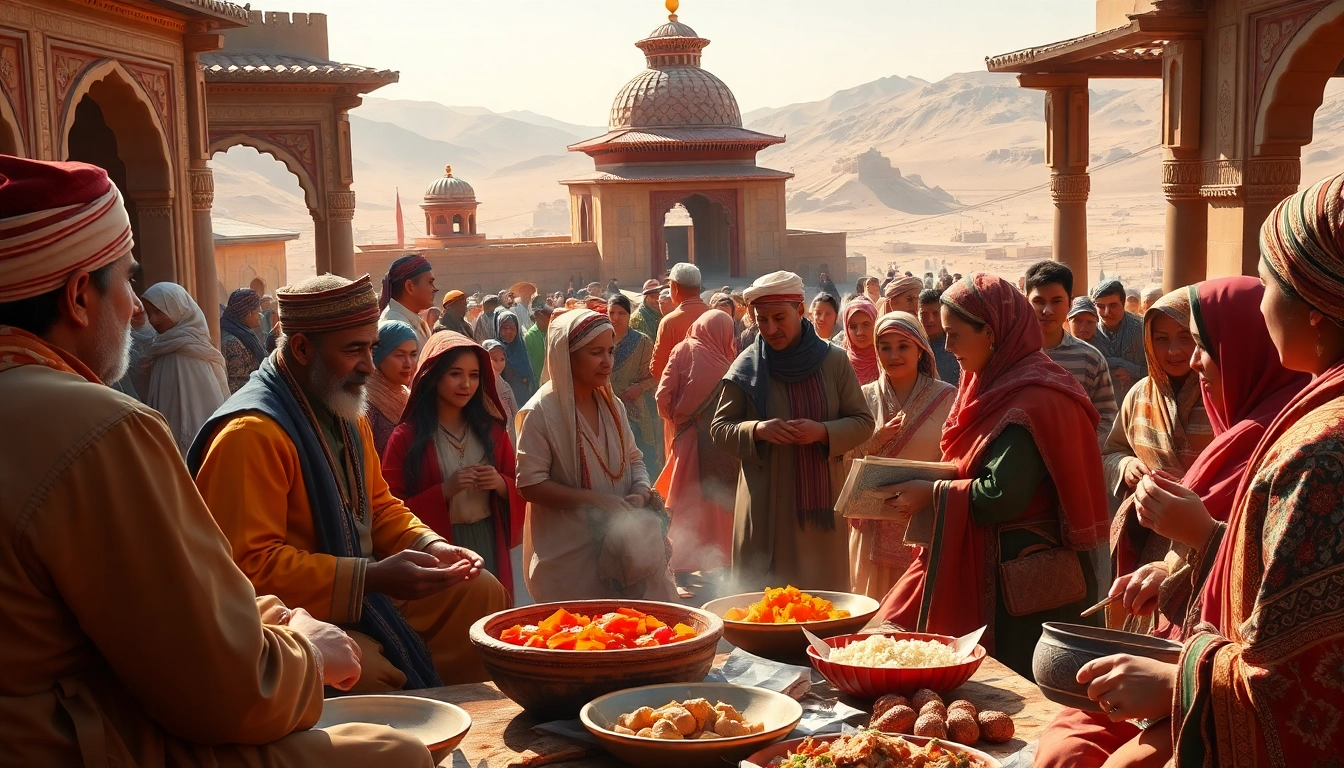
Uyghur cuisine is renowned for its unique flavors and use of spices. Signature dishes include 'Lagman,' a hand-pulled noodle dish, and 'Kebabs,' often made from lamb marinated with spices and grilled to perfection. Uyghur meals are typically communal, emphasizing family and social bonds. The cultural significance of food in Uyghur society cannot be overstated; it serves as a way to express hospitality and strengthen community ties.
Festivals and Celebrations
Festivals play a crucial role in Uyghur culture, with major celebrations including Eid al-Fitr and the Uyghur New Year, known as 'Nowruz.' During these occasions, families gather, share meals, and partake in traditional games and dances. Such festivities not only highlight the community's joyous spirit but also reinforce their cultural identity amidst the challenges they face.
Social Challenges Facing the Uyghurs Community
Human Rights and International Attention
Human rights violations against the Uyghurs have garnered global attention, with reports of mass detentions, forced labor, and enforced disappearances. Advocacy groups and international bodies have called upon the Chinese government to cease its repressive policies and uphold the rights of the Uyghurs. The ongoing situation poses severe humanitarian and ethical dilemmas as the world grapples with the realities faced by the community.
Economic and Political Struggles
The economic conditions for the Uyghurs have deteriorated due to state-imposed policies and restrictions. Many Uyghurs face unemployment and lack access to resources. Politically, the community struggles with representation and autonomy within China, leading to a profound sense of disenfranchisement. Economic opportunities are increasingly limited, adding to the community’s frustrations.
Impact of Globalization on Culture
Globalization presents both challenges and opportunities for the Uyghurs Community. On one hand, it introduces new cultural influences and enables greater awareness of their plight. On the other hand, the rapid pace of change poses risks to traditional customs and values. The younger generation is caught between maintaining cultural identities and adapting to modern trends, creating a complex landscape for future generations.
Resilience and Unity in the Uyghurs Community
Community Support Networks
Despite the challenges, the Uyghurs exhibit remarkable resilience through strong community support networks. Families and community organizations come together to provide aid, share resources, and offer emotional support. Such solidarity reinforces their identity and helps maintain cultural practices even in the face of adversity.
The Role of Art and Expression
Art and cultural expression serve as powerful mediums for the Uyghurs to articulate their experiences and preserve their heritage. Through music, dance, and visual arts, they communicate their narratives and histories. These expressions not only foster community pride but also serve as forms of resistance against cultural erasure.
Strategies for Preservation of Culture
Preserving Uyghur culture requires deliberate and strategic efforts. Community leaders and activists are working to document cultural practices and ensure their continuation through education, festivals, and multimedia projects. Emphasizing the importance of language and traditional arts in educational curriculums can also help reinforce cultural identities among younger generations.
FAQs about the Uyghurs Community
What is the origin of the Uyghurs Community?
The Uyghurs trace their origins back to Central Asia, particularly the Altai Mountains, where their migration began around the 5th century, ultimately forming a unique cultural identity.
What are some common traditional dishes of the Uyghurs?
Common Uyghur dishes include Lagman (noodles), Kebabs, and Dapanji (big plate chicken), showcasing a vibrant blend of spices and flavors.
How is the Uyghurs identity affected by globalization?
Globalization presents both challenges for cultural preservation and opportunities for awareness, with the younger generation balancing tradition and modernity.
What human rights issues are faced by the Uyghurs?
The Uyghurs face severe human rights abuses, including mass detentions, forced labor, and suppression of cultural practices largely driven by state policies.
How is the Uyghurs Community expressing resilience today?
Through strong community networks, art, cultural practices, and activism, the Uyghurs demonstrate resilience against oppression while preserving their identity.