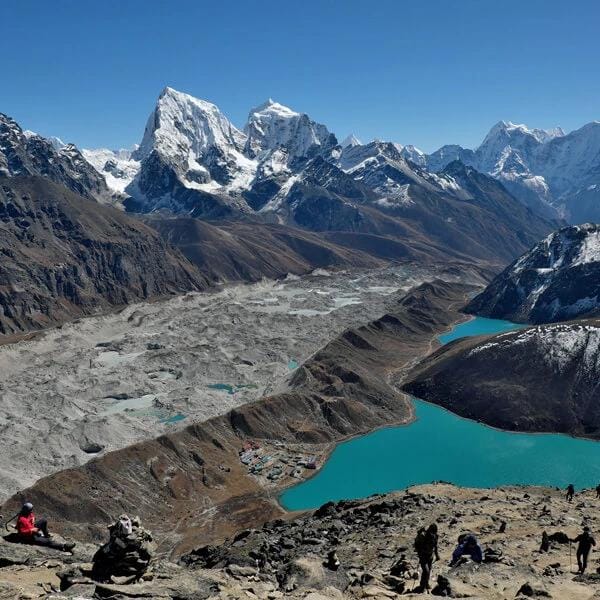
Trekking in Nepal is one of the most rewarding outdoor experiences in the world. Every trail offers something unique, from peaceful forests and traditional mountain villages to alpine landscapes and breathtaking Himalayan views. But that beauty comes with changing weather, rugged terrain, and limited facilities in remote areas, which makes preparation just as important as physical fitness.
How well you pack often determines whether your trek feels comfortable or exhausting. The right gear keeps you warm, dry, safe, and comfortable, while overpacking makes every step harder, especially on long days with steep climbs and descents. Finding that balance takes planning and a real understanding of what mountain travel demands.
Many first-time trekkers spend far more time choosing a destination than thinking about what goes into their backpack. Yet proper packing reduces stress, improves mobility, and helps you handle the unexpected. Whether your trek lasts a few days or several weeks, smart packing lets you focus on the journey instead of worrying about what you forgot.
1. Mountain Weather Can Change Within Hours
Nepal's mountain weather is famously unpredictable. A clear morning can turn into rain, wind, or even snow by afternoon, especially at higher elevations, and temperatures can swing dramatically between day and night.
The right clothing lets you adapt without carrying excess weight. Rather than one heavy jacket, experienced trekkers rely on layering: a moisture-wicking base layer, an insulating mid-layer, and a waterproof outer shell. Protecting your gear matters too — a backpack rain cover and waterproof stuff sacks keep clothes, electronics, and documents dry when conditions shift suddenly.
Being ready for changing weather improves comfort and lowers the risk of cold-related illness, letting you keep moving safely.
2. The Right Gear Makes Every Step More Comfortable
Small problems like sore feet, aching shoulders, or wet clothing can turn into major distractions after days on the trail. Well-fitted boots support your ankles on uneven ground, moisture-wicking socks help prevent blisters, and lightweight trekking pants move more easily than heavy cotton.
A properly adjusted backpack matters just as much. Correct sizing and even weight distribution ease pressure on your shoulders and back, while keeping frequently used items — water, snacks, gloves, rain gear — within easy reach avoids constant repacking. This becomes especially important on longer, higher-altitude routes: trekkers preparing for journeys like the Everest Base Camp Trek often pay close attention to gear selection and pack fit well in advance, since comfort issues that seem minor on day one can become serious setbacks by day ten.
Comfort also comes from restraint: every extra kilogram adds up over hours of walking, so smart packing favors versatile gear over items you'll rarely use.
3. Proper Packing Helps You Stay Safe
Safety should always come first. Even well-established routes pass through remote regions where help isn't immediately available, so packing the right safety equipment matters. A basic first aid kit handles cuts, blisters, and minor aches before they escalate. A headlamp with spare batteries helps with early starts or unexpected delays, and offline maps or GPS apps add confidence when visibility drops. A whistle can be valuable in an emergency.
Sun protection deserves attention too — UV radiation is far stronger at altitude, so sunglasses, sunscreen, SPF lip balm, and a wide-brim hat all reduce your risk of sunburn. Preparing for common challenges lets you focus on the mountains instead of avoidable problems.
4. Good Packing Supports Better Health on the Trail
Long walking hours, elevation gain, and cold temperatures place greater demands on your body than everyday life does. Packing with health in mind helps you keep up your energy: reusable water bottles or hydration reservoirs, plus purification tablets or a portable filter, make it easy to stay hydrated without relying on bottled water.
Energy-dense snacks — nuts, energy bars, dried fruit, trail mix — help between meals, and personal medications should be packed in sufficient quantities in waterproof containers. Basic hygiene supplies, including hand sanitizer, biodegradable soap, wet wipes, and toilet paper, help maintain cleanliness where facilities are limited and reduce the risk of stomach illness. Taking care of your health starts with thoughtful packing, long before you reach the mountains.
5. Efficient Packing Saves Time and Reduces Stress
An organized backpack means less time searching for gear and more time enjoying the trek. Packing cubes or compression bags separate clothing, electronics, toiletries, and sleeping gear so you can find what you need quickly.
Important documents — permits, ID, insurance details, emergency contacts — should stay together in a waterproof pouch, and keeping valuables in a consistent spot reduces the chance of losing them. Daily essentials like rain gear, snacks, gloves, and sunscreen should stay accessible, while evening-only items can go deeper in the pack. A consistent routine also speeds up morning departures and cuts down on daily stress.
6. Proper Packing Helps You Adapt to Different Seasons
Nepal offers trekking year-round, but each season brings different demands. Spring is generally mild, though mornings and evenings stay cold at altitude. Autumn brings stable weather and clear views but chilly nights. Monsoon season calls for reliable waterproofing, quick-drying layers, and extra protection for electronics. Winter requires warmer insulation and accessories like gloves, hats, and neck gaiters.
Rather than preparing for every possible condition, research the weather for your travel dates and pack accordingly — this keeps your bag lighter while still covering what you'll actually face.
7. Remote Trails Have Limited Supplies
Villages along many trekking routes stock only basic necessities — snacks, drinks, simple toiletries — but rarely specialized trekking gear. If you forget a warm layer, comfortable socks, or a medical supply, replacing it on the trail can be difficult or costly.
Power is often limited too, so a power bank, charging cables, and the right adapters keep your phone, camera, or GPS working throughout the trek. Prescription medication, contact lenses, batteries, and personal hygiene items should all be packed in sufficient supply, since you can't count on finding them along the way. Good preparation here prevents small oversights from becoming real inconveniences.
8. Smart Packing Protects the Environment
As more travelers visit Nepal's mountains, responsible packing matters more than ever. Reusable gear — a water bottle with a purification method, reusable containers, lightweight utensils, cloth bags — cuts down on waste along the trail, while biodegradable soap, shampoo, and toothpaste reduce pollution in sensitive ecosystems.
Carrying a small waste bag for wrappers and other non-biodegradable items until proper disposal is available also helps preserve these routes for future trekkers.
9. Confidence Begins with Good Preparation
Packing well isn't just about gear — it's about peace of mind. When you know you're prepared, you spend less time worrying and more time enjoying the landscapes, the culture, and the experience itself.
A well-packed bag lets you respond calmly to weather shifts, long days, and changing trail conditions without feeling caught off guard. That kind of preparation builds the confidence to enjoy every step, rather than second-guessing what's in your pack.
Practical Packing Tips
- Use a layering system instead of one bulky jacket.
- Break in your trekking boots before the trip.
- Keep your pack weight manageable — carry only what you truly need.
- Store documents in waterproof bags.
- Pack heavier items close to your back for balance.
- Keep daily essentials — water, snacks, rain gear, sunscreen, gloves — within easy reach.
- Carry a reusable water bottle and purification method.
- Use packing cubes or dry bags to stay organized.
- Pack a small first aid kit with blister treatment and pain relief.
- Review your packing list before departure to cut anything unnecessary.
Conclusion
Proper packing is one of the most important parts of preparing for a trek in Nepal. Changing weather, challenging terrain, and remote conditions all call for thoughtful planning, and the right equipment keeps you comfortable, safe, healthy, and organized throughout the journey.
Packing wisely isn't about filling your bag with as much gear as possible — it's about choosing practical, reliable items suited to your route, the season, and your own needs. Every item should earn its place, helping you travel efficiently without unnecessary weight.
Whether this is your first Himalayan trek or your fifth, taking the time to pack properly makes a real difference. Good packing reduces avoidable problems, builds confidence, and lets you focus on what matters most: Nepal's spectacular landscapes, rich culture, and unforgettable trails.