
Effective Strategies for Bed Bug Chemical Treatment: What You Need to Know
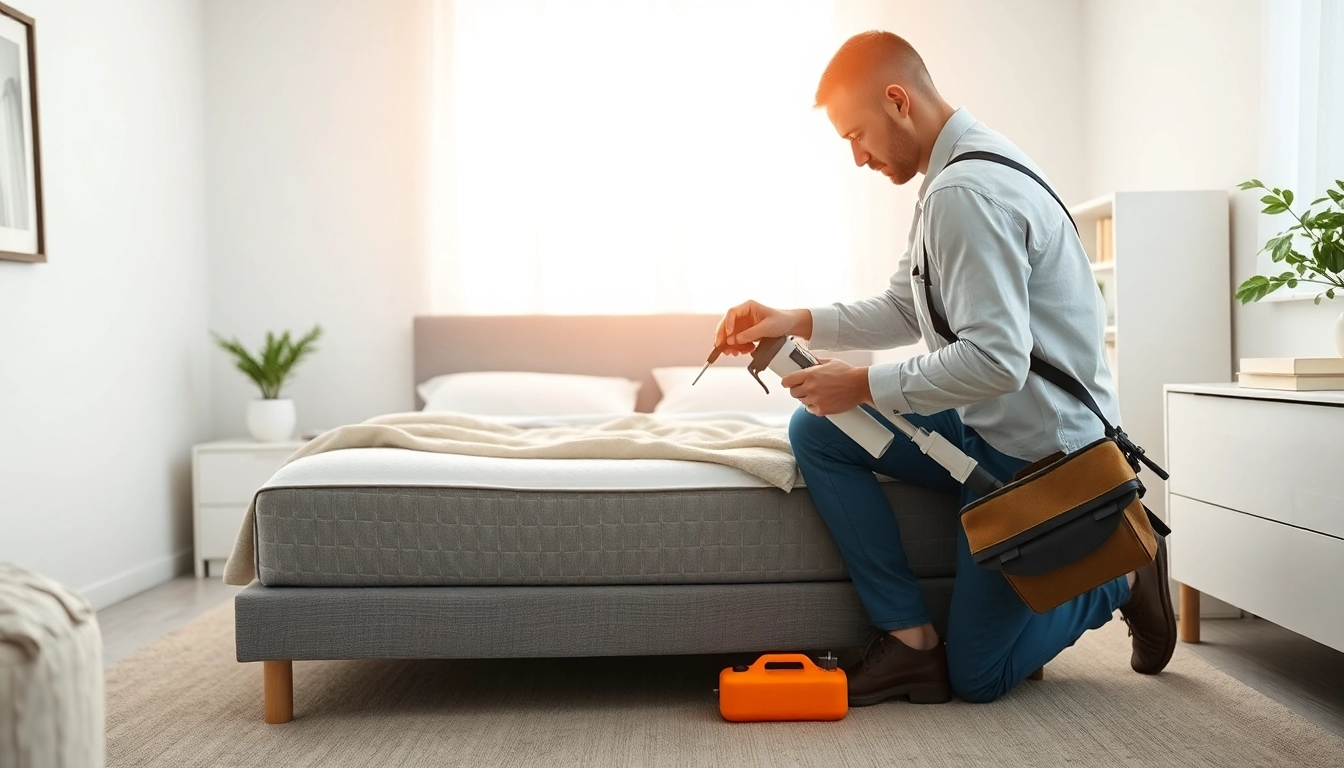
Understanding Bed Bug Chemical Treatment Options
Dealing with a bed bug infestation can be challenging and distressing. Fortunately, there are various bed bug chemical treatment options available that can help eliminate these pests. Understanding the types of chemicals used, their effectiveness, and necessary safety precautions is vital for anyone looking to combat bed bugs effectively.
Types of Chemicals Used
Bed bug treatments can be classified into different chemical categories. The most common types include:
- Pyrethroids and Pyrethrins: These are synthetic and naturally occurring insecticides that are effective in killing bed bugs on contact. They are often the first line of defense due to their rapid action.
- Neonicotinoids: These chemicals disrupt the transmission of nerve signals in insects, leading to paralysis and death. They are particularly useful against pyrethroid-resistant populations.
- Diatomaceous Earth: This natural powder is made from crushed fossilized algae and works by dehydrating bed bugs. Though slower to act than insecticides, it’s often used in tandem with other treatments.
- Desiccants: Products like silica gel disrupt the protective outer layer of bed bugs, leading to dehydration. They’re effective against all life stages of the pest.
- Biochemicals: A newer category, featuring cold-pressed neem oil, which is registered for use against bed bugs, providing a less conventional treatment option.
Effectiveness of Various Treatments
The effectiveness of bed bug treatments can vary significantly based on several factors, including the severity of the infestation, the specific chemicals used, and the application methods. While some chemicals work quickly, others may require multiple applications for thorough eradication. Research suggests that an integrated pest management approach, combining chemical treatments with physical controls (like vacuuming and sealing cracks), often yields the best outcomes.
Safety Precautions to Consider
When implementing any chemical treatment, safety should always be a priority. Here are essential precautions to consider:
- Always read and follow the label instructions on pest control products carefully.
- Use protective equipment, such as gloves and masks, during application to avoid skin contact or inhalation of chemicals.
- Ensure pets and children are out of the treatment area, as some chemicals can be harmful to them.
- Ventilate areas where chemicals have been applied to minimize inhalation exposure.
Preparing for Bed Bug Chemical Treatment
Before commencing any chemical treatment, proper preparation is crucial for maximizing effectiveness and minimizing health risks. This preparation involves several key steps.
Initial Steps Before Treatment
Begin by conducting a thorough inspection of the infested area to identify where bed bugs are hiding. Decluttering the space can also facilitate better chemical penetration. Make sure to:
- Wash all bedding, curtains, and clothing in hot water and dry them on the highest setting to kill bed bugs and their eggs.
- Vacuum the infested areas meticulously, focusing on mattress seams, furniture, and adjacent baseboards.
- Seal all cracks and crevices in furniture and walls to limit hiding spots for bed bugs.
What to Remove from Treated Areas
It’s essential to remove certain items from the treated areas to reduce contamination risk and improve the effectiveness of the treatment:
- Children’s toys and pet items should be relocated out of the treatment zone.
- Food areas need to be covered or emptied to prevent chemical residues.
Understanding Treatment Frequency
Most bed bug infestations require multiple treatments to ensure complete eradication, typically averaging three to four visits over several weeks. This frequency allows the chemicals to reach newly hatched and previously hidden bugs and ensures more comprehensive coverage.
Executing Bed Bug Chemical Treatment Successfully
Implementing an effective bed bug chemical treatment requires knowledge of application techniques and understanding signs of success.
Application Techniques for Optimal Results
Proper application is critical for the success of any chemical treatment. To achieve optimal results:
- Follow product guidelines meticulously, paying serious attention to the recommended dosages and application methods.
- Apply chemicals directly to likely hiding spots such as bed frames, mattress seams, and behind baseboards.
- Consider using a combination of misting treatments and dust applications to penetrate both hard and soft areas.
Signs of Successful Treatment
After treatment, it’s essential to monitor for signs of effectiveness. Success indicators typically include:
- Reduction in visible bed bugs and their droppings.
- Decrease in bites on the skin after sleeping.
- Elimination of bed bug eggs over consecutive inspections.
Mistakes to Avoid During Application
When executing bed bug treatments, avoid these common missteps:
- Neglecting to follow safety precautions can lead to harmful exposure to chemicals.
- Inconsistent application can allow surviving bugs to repopulate.
- Failing to retreat areas can leave behind missed spots, ultimately prolonging the infestation.
Post-Treatment Care After Bed Bug Chemical Treatment
After applying the bed bug chemical treatment, specific care practices must be followed to ensure the treatment’s efficacy and prevent re-infestation.
How Long to Wait Before Re-entering Rooms
Depending on the chemical used, the waiting period before re-entering treated rooms can vary. Always refer to the product label for specific guidance. Generally, it’s advisable to wait until surfaces are completely dry, which can take a few hours post-application.
Cleaning and Maintenance Tips
Once the treatment has been applied, keep the following maintenance tips in mind:
- Avoid deep cleaning areas treated with chemicals for at least several weeks unless specified by product instructions.
- Continue monitoring for signs of bed bugs, and consider re-treating if necessary.
Monitoring for Re-infestation
After treatment, proactive monitoring is essential. Use bed bug interceptors and monitor traps placed under bed legs to detect any returning bugs early. Immediate action is crucial if signs of re-infestation appear.
FAQs About Bed Bug Chemical Treatment
How effective is bed bug chemical treatment?
Bed bug chemical treatments can be highly effective when applied correctly. However, multiple applications are often necessary to fully eradicate an infestation due to the bugs’ life cycle.
Is bed bug chemical treatment safe for pets?
Many bed bug treatments can be harmful to pets. It’s best to remove pets from the area during treatment and follow all safety instructions on the product labels.
What precautions should I take after treatment?
After treatment, avoid cleaning the treated areas for a while, ensure good ventilation, and monitor for signs of re-infestation closely. Always follow any specific product recommendations.
Can I apply the chemicals myself?
Yes, many bed bug chemical treatments are available for DIY applications. However, it’s crucial to read and follow instructions meticulously for effective and safe application.
What are the signs that treatment was successful?
Successful treatment signs include a noticeable reduction in bed bug activity, fewer bites, and the absence of new eggs in the treated areas following inspections.