Enhancing Living Spaces with a Cape Cod Home Addition
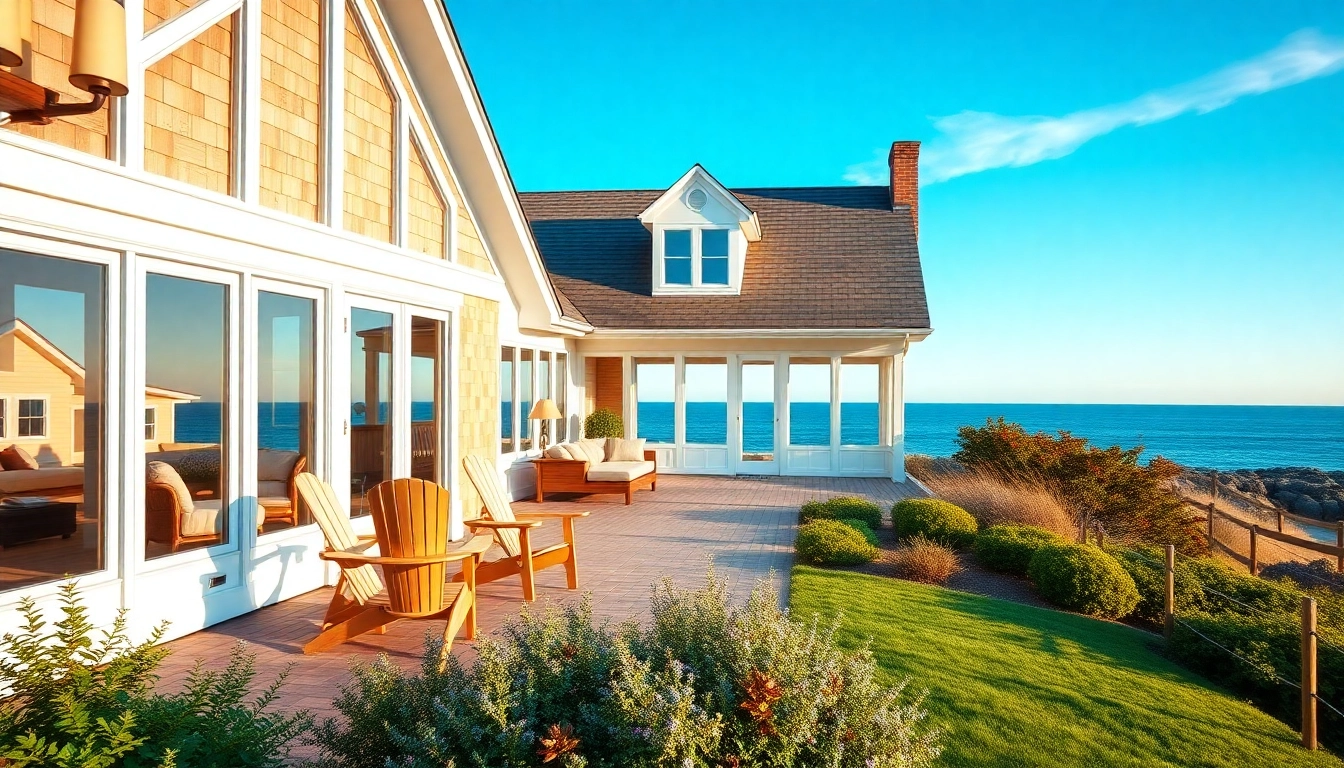
Understanding Cape Cod Home Addition
Adding space to your home is an exciting prospect that not only enhances functionality but also increases property value. When considering a cape cod home addition, understanding the unique architectural style and benefits of such an extension is key to making your vision a reality. This article delves deep into the intricacies of Cape Cod home additions, providing you with detailed insights, design ideas, and practical advice.
Defining Cape Cod Style Architecture
Originating in the early 17th century, Cape Cod architecture is characterized by its simple, symmetrical design and steeply pitched roof. Typically, these homes are one to one-and-a-half stories with dormer windows and a central chimney. Interior features often include an open floor plan, wide floorboards, and a functional fireplace, contributing to a cozy and inviting atmosphere. This architecture is not just about aesthetic appeal—it reflects a lifestyle rooted in the New England spirit, emphasizing community, connection, and simplicity.
Benefits of Adding to Your Home
The decision to expand your Cape Cod home comes with various advantages. Firstly, increased living space allows better functionality—be it for a growing family or a home office. Secondly, a well-planned addition can significantly boost the market value of your property. Furthermore, by customizing the new space to your lifestyle, you enhance comfort while maintaining the aesthetic coherence that is characteristic of Cape Cod style, creating a harmonious balance between old and new.
Key Features of Cape Cod Home Additions
When planning a Cape Cod home addition, it’s crucial to incorporate specific architectural elements that align with the existing structure. Key features include:
- Roof Design: Maintaining the signature steep pitch of the roof will ensure continuity in architecture.
- Window Placement: Adding dormer windows provides natural light while staying true to Cape Cod styles.
- Exterior Materials: Using clapboard siding and shingles preserves the authentic look reminiscent of traditional Cape Cod homes.
- Landscaping: Integrating your addition into the outdoor landscape will facilitate a seamless transition between the new and old sections of your home.
Planning Your Cape Cod Home Addition
Effective planning is foundational to a successful Cape Cod home addition. This section covers critical steps to ensure your project runs smoothly and fulfills your aesthetic and functional aspirations.
Assessing Space and Design Needs
Before embarking on your addition project, assess your current needs and future projections. Are you looking to create a family room, a guest suite, or an extra bathroom? Understanding your core requirements will guide your design decisions. Additionally, consider how the new space interacts with the existing flow of the home. Drawing on inspiration from existing architectural styles will preserve your home’s integrity while ensuring that your design meets your evolving lifestyle needs.
Budgeting for the Project
Establishing a realistic budget is crucial for any home addition project. Start by researching the average costs associated with construction in your area. Include potential expenses such as permits, labor, materials, and interior furnishings in your budget. It’s wise to allocate an additional 10% to 20% for unexpected costs that may arise during the project. Working with a professional can help you refine your budget and identify potential savings without compromising the quality of your addition.
Hiring Professionals for Your Addition
Engaging experienced professionals is essential to bring your vision to life. Look for architects or designers who specialize in Cape Cod home additions to ensure that they are familiar with local regulations and aesthetics. A good contractor will collaborate with you and your architects to translate ideas into actionable plans, while also managing subcontractors and overseeing quality control throughout the construction process. Be sure to check references and reviews to ensure a reliable choice.
Design Ideas for Cape Cod Home Addition
Thinking creatively about design can transform your Cape Cod home addition into a standout feature that complements its historical character. Here are some design ideas to consider:
Incorporating Natural Light
Natural light enhances the ambiance and reduces the need for artificial lighting. Use large windows, sliding glass doors, and skylights to flood the new space with sunlight. Incorporating transom windows above doorways can also help diffuse light while maintaining privacy. A well-lit space feels more expansive and inviting, aligning with the warm, cozy spirit of Cape Cod homes.
Choosing Sustainable Materials
With growing awareness of environmental impact, selecting sustainable materials for your addition can have long-term benefits. Consider using reclaimed wood for framing and finishing, which offers character while reducing waste. Energy-efficient windows and insulation not only support a green building philosophy but also lower your energy bills. Additionally, integrating eco-friendly paints and finishes helps maintain indoor air quality in your new space.
Creating an Open Floor Plan
Maximizing space is essential, especially in an addition. An open floor plan facilitates smooth transitions between different living areas. Consider combining your kitchen, dining, and living spaces in one expansive area, promoting both social interaction and efficient movement. Make use of multifunctional furniture to help optimize space, making it perfect for hosting gatherings or family time.
Enhancing Curb Appeal with Your Addition
Your home’s exterior is the first impression visitors and passersby will have. Crafting an addition that enhances curb appeal is just as vital as improving interior space. Here are some tips for achieving that balance:
Exterior Design Considerations
When designing the exterior of your addition, maintain the visual harmony of your existing home. This involves selecting materials, colors, and architectural details that echo the original structure. Features like dormers, eaves, and similar siding can tie the addition to the existing home, ensuring it feels like a natural extension rather than an afterthought.
Landscaping Around Your Home Addition
Proper landscaping can dramatically transform how your addition is perceived and how it integrates with the overall property. Incorporating native plants that thrive in your local environment will help improve biodiversity and reduce maintenance. Garden beds, pathways, and outdoor seating areas can enhance aesthetic appeal while providing functional outdoor spaces for relaxation and enjoyment.
Color Schemes and Finishes
The color palette you choose for your addition should complement the existing colors of your home. Light, inviting colors that mimic the seaside ambiance typically associated with Cape Cod can create a cohesive look. Combining natural wood finishes with painted surfaces can add depth and interest, while ensuring that the addition feels integrated with the original home structure.
FAQs about Cape Cod Home Addition
What is a Cape Cod Home Addition?
A Cape Cod home addition is an architectural extension that enhances the existing structure while maintaining the aesthetics of traditional Cape Cod design.
How much does a Cape Cod Home Addition typically cost?
Costs vary based on size, materials, and location but can range from $100 to $300 per square foot. A detailed budget should be prepared for precise estimates.
What permits are required for a Cape Cod Home Addition?
Permit requirements differ by location but typically include zoning permits, building permits, and possibly environmental assessments to ensure compliance with local regulations.
Can I DIY my Cape Cod Home Addition?
While some elements can be DIY, hiring professionals is recommended for structural work to ensure safety, compliance with building codes, and quality craftsmanship.
How long does it take to complete a Cape Cod Home Addition?
Timelines can vary widely but generally range from three months to over a year, depending on the complexity of the project and weather conditions.